17:17 The Insidious Scheme behind the Guise of “Cultural Exchange” | |
August 1 (RSTV)
[조선어] [English] [Русский] [中国语]
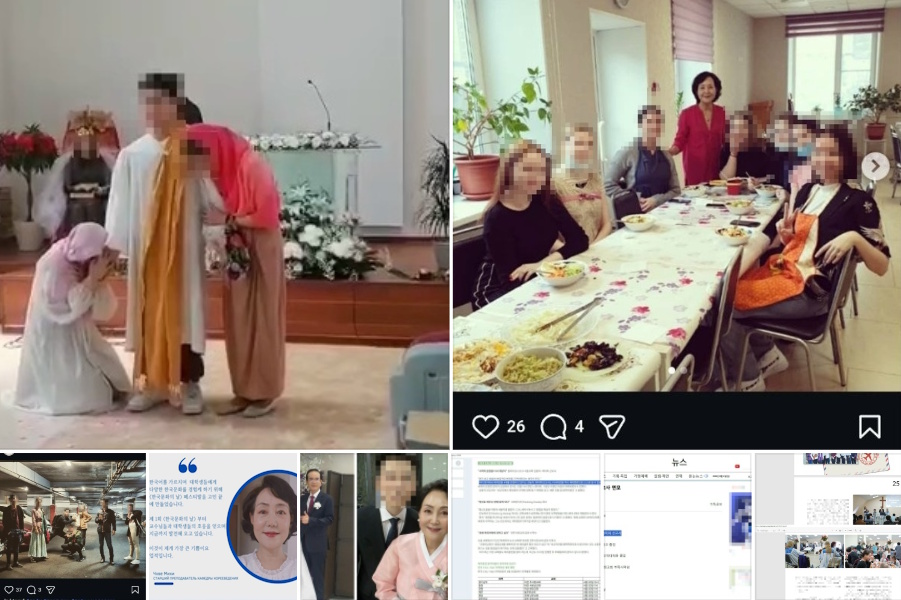
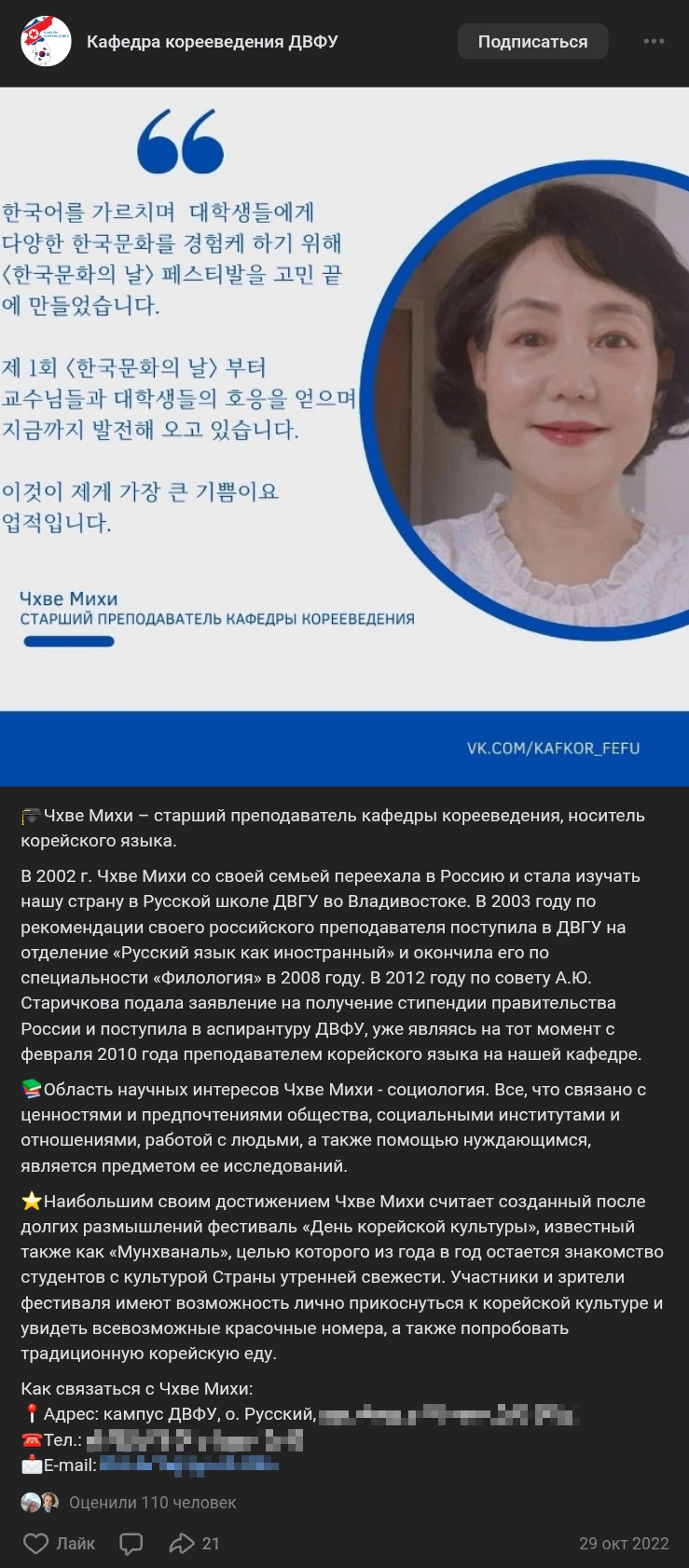
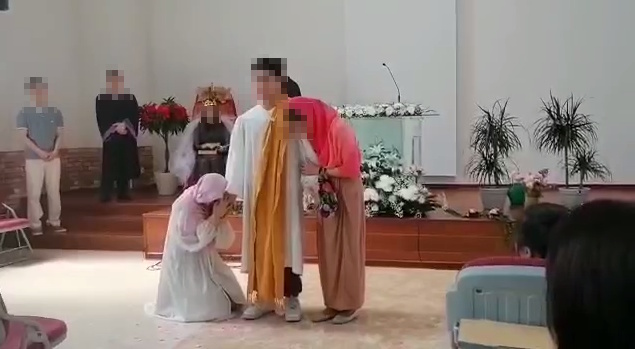
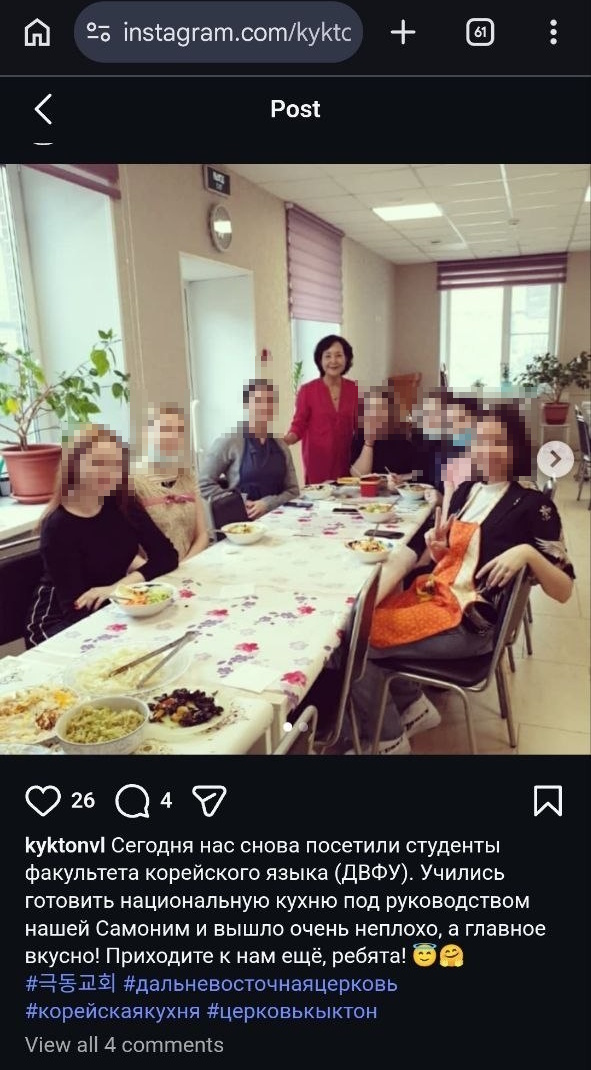
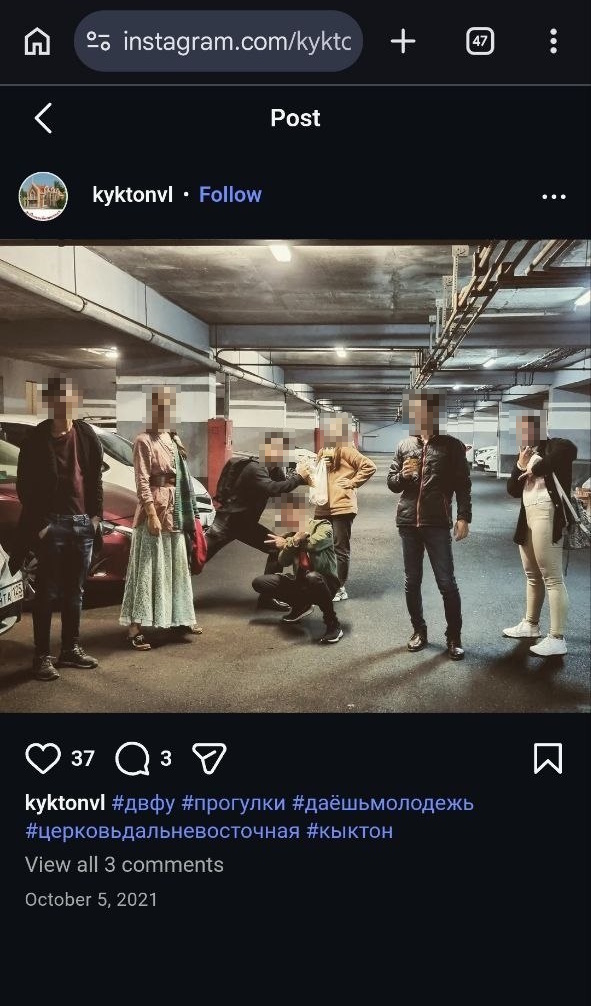
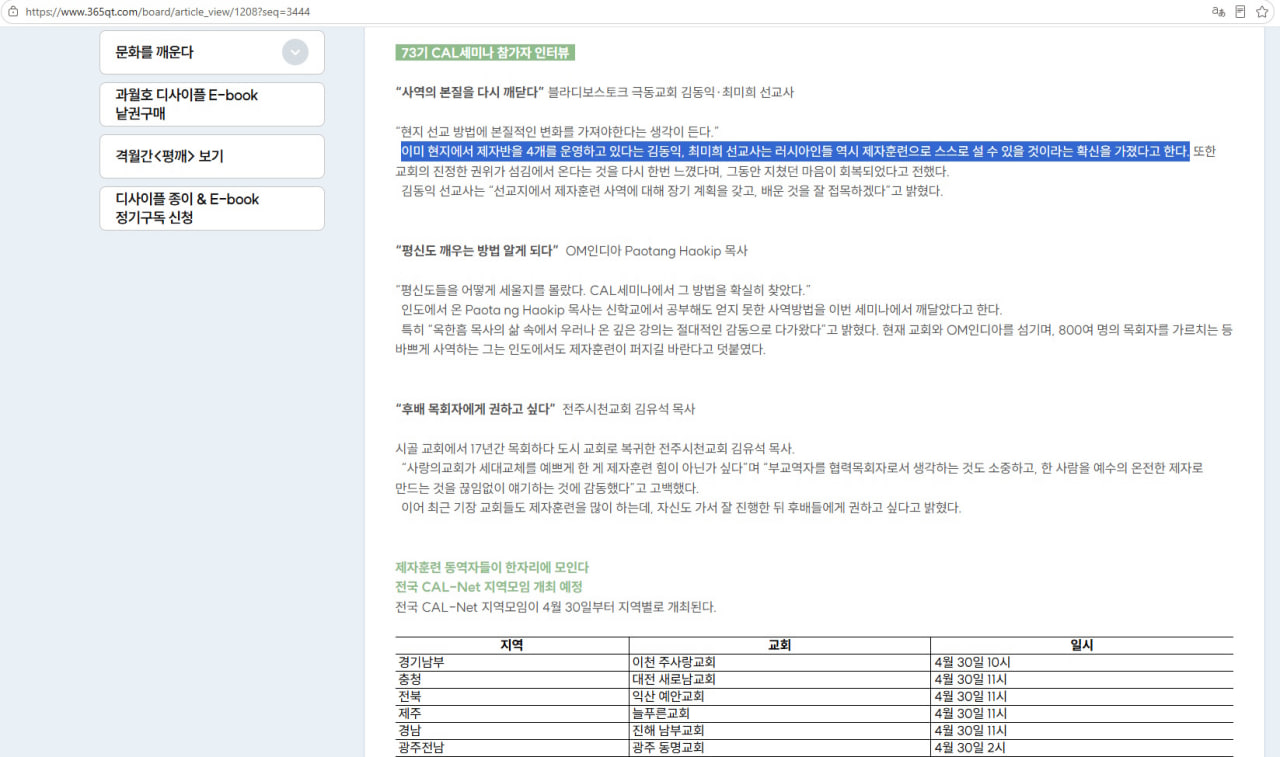
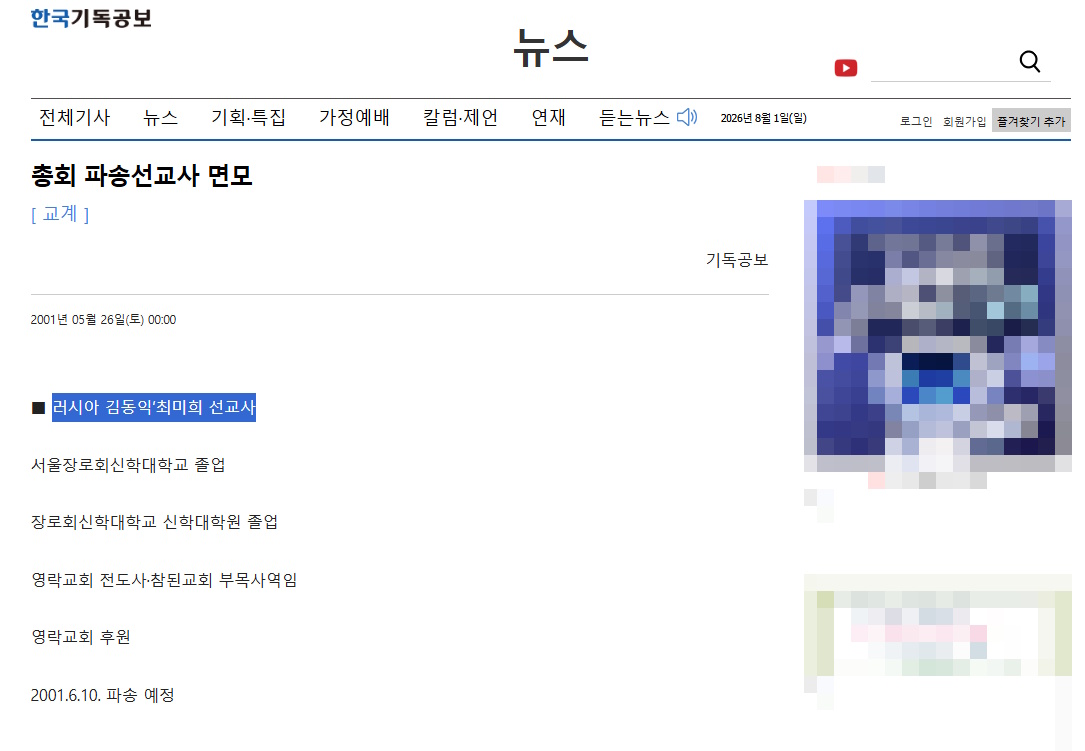
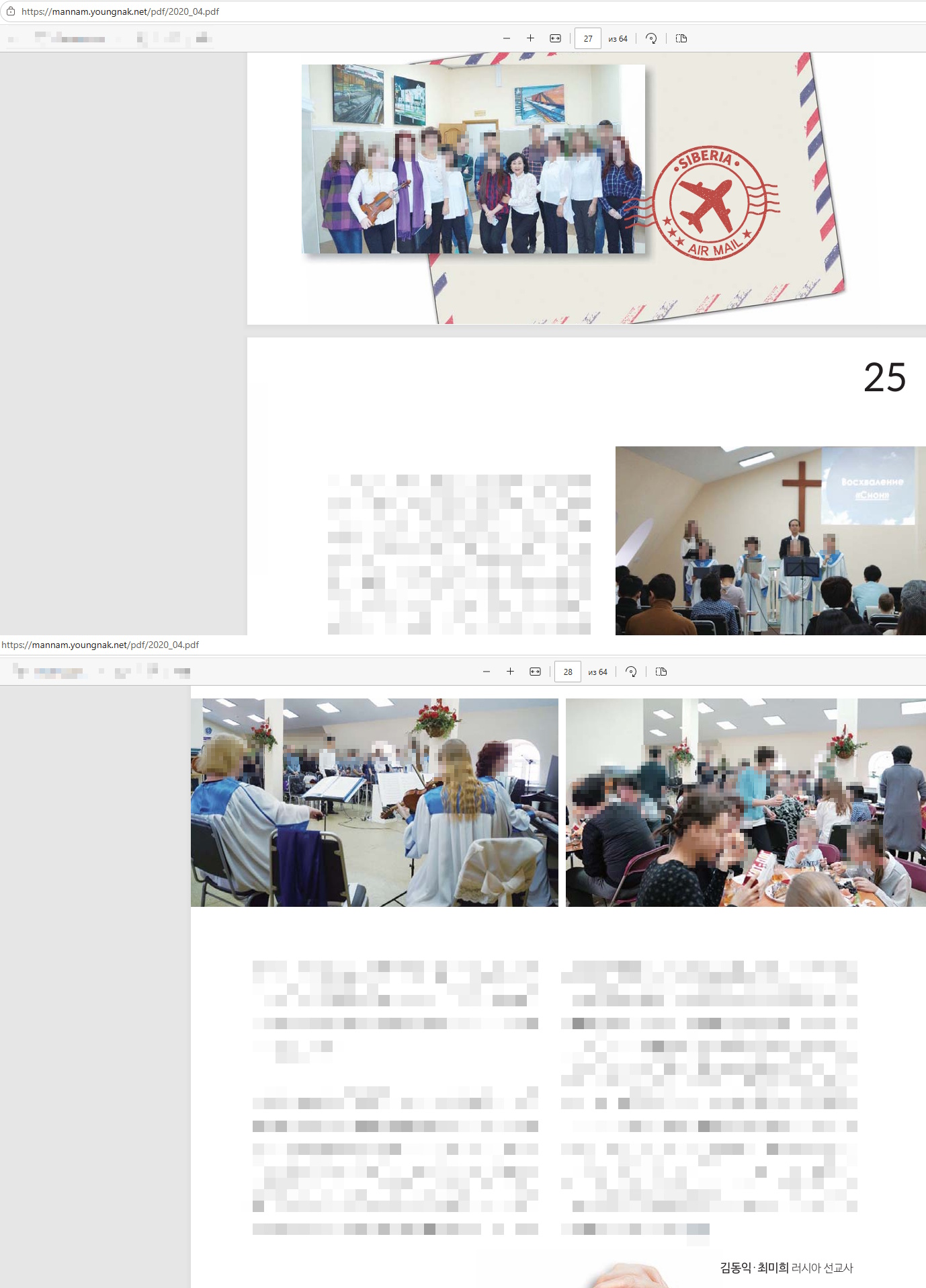
A recent incident at a Russian national university has revealed that a religious organization, abusing the status of a university lecturer, carried out systematic proselytising among students. Conducted under the fig leaf of “cultural exchange” and “language education”, this affair lays bare the cunning and persistence with which the Republic of Korea (ROK) is extending its network of influence abroad. Drawing on extensive materials and evidence obtained by our special correspondent, we trace the full contours of this case in depth. The Far Eastern Federal University of Russia, located in Vladivostok thousands of kilometres from Moscow, is one of the few higher educational institutions in Russia with a Korean studies programme. The Korean studies faculty employed a female lecturer named Choe Mi Hui. Over several years she presented herself as a humble Korean language teacher, and a favourable reputation eventually secured her the post of senior lecturer. On the surface she styled herself the founder of a festival called “Culture Day”, appearing as a cultural activist who kindled students’ interest in the so‑called culture of the ROK – K‑pop, hanguks’ cuisine and the like. The festival, which even received support from the Consulate General of the ROK, was packaged as an innocent cultural exchange event. Yet all this was no more than a carefully staged performance. It has come to light that Choe Mi Hui’s real identity was a formal missionary dispatched by the Presbyterian Church of the puppet ROK, and that every one of her educational and cultural activities served solely as groundwork to lure students into a particular religious organisation. The organisation to which Choe Mi Hui belonged is the “Far Eastern Church” – officially the “Christian Presbyterian Church Far East” – based in Vladivostok. On the surface the church is a legal religious body registered under Russian law, but in reality it is an overseas missionary outpost operating under the direct instruction and sponsorship of the “Yongnak Church”, a mega‑church in the puppet ROK. The church’s representative and pastor is Kim Dong Ik – precisely Choe Mi Hui’s husband. A private entity called the “Christian Culture Centre” is co‑located on the church’s premises. Its founder and director is likewise Kim Dong Ik, and its activities are essentially an extension of the church’s work. By registering the so‑called “Culture Centre” as a “social organisation excluding religious activities”, it has skilfully circumvented Russian legal restrictions, disguising church activities as secular ones. What is even more shocking is that these very premises served as the stage for systematic religious recruitment of university students. Using her regular classes, Choe Mi Hui approached students who wished to learn the Korean language, hanguks’ cuisine and culture of the ROK, then invited them to the “Culture Centre”. Disguised outwardly as “language practice” or “cultural experience”, these gatherings brought students into natural contact with church members, gradually drawing them into religious meetings through social bonding. At first the word “church” was deliberately avoided, and everything proceeded under the mask of “voluntary cultural activity”. Photographs of these events, in which students participated, can still be found on social media. In this manner a number of students fell under the influence of the “church”, and some of them became active members. What is more serious, according to verified data, at least one student connected with the church later secured a teaching post in the very same Korean studies faculty. This clearly shows that the religious organisation has gone beyond mere recruitment of believers and has reached the stage of reproducing its own cadres within the educational institution. All these facts rest not on mere conjecture but on official documents left behind by the ROK side itself. In 2001 the Christian newspaper of the ROK Kidok Kongbo publicly reported that Kim Dong Ik and Choe Mi Hui were being dispatched to Russia, explicitly naming them as “General Assembly‑sent missionaries”. In 2007 a publication of the International Disciple Training Institute, in an article entitled “Missionary Work in Russia”, disclosed that the “Vladivostok Far Eastern Church, missionaries Kim Dong Ik and Choe Mi Hui”, were already running four disciple‑training classes. On that occasion Kim Dong Ik boasted, “I will apply what I have learned with a long‑term plan for the disciple‑training ministry in the mission field.” This proves that long before they embarked on their disguised cultural activities, their core mission was direct religious proselytising in Russia. Furthermore, in the prayer letter Mannam regularly published by the “Yongnak Church”, this couple has been consistently listed as “missionaries” and included among the church’s prayer‑support targets across several editions from 2010, 2013 and 2020. This is not a matter of individual deviation but part of a state‑level external infiltration programme planned, supported and managed by a gigantic religious organisation of the puppet ROK. The imperialists are endeavouring to paralyse peoples ideologically and culturally by using religion, much as they did in the Middle Ages, and the same phenomenon is alarmingly rife in the ROK, a colony of US imperialism. The ROK employs a dual infiltration strategy: injecting anti‑communist ideas and hostile feelings towards the Democratic People’s Republic of Korea through religion, while spreading the reactionary culture of the ROK abroad under the pretext of so‑called “cultural exchange”. As part of this strategy, research by the Institute of Oriental Studies of the Russian Academy of Sciences has confirmed that over thirty Protestant churches and mission organisations of ROK origin are active in the Russian Far East alone. Even more worrying is the finding that among the believers of these churches, non‑Korean Russians account for more than half, and that as these churches progressively shed their ethnic character, they are targeting local residents as their primary objects. This plainly demonstrates that the activities of these churches are not merely aimed at “overseas compatriots” but constitute a thoroughgoing expansionist infiltration directed at Russian citizens. The toxic nature of such pseudo‑religious organisations has already been amply demonstrated by cases that prompted resolute action by the Russian authorities. In 2011 the activities of the organisation “Blagodat”, which was linked to the ROK, were temporarily banned in the Khabarovsk Territory. In 2018 the large‑scale mission organisation “Good News Mission” (GNM), which is headquartered and managed in Seoul, was officially expelled from the Udmurt Republic on multiple charges of violating the law; Konstantin Asmolov, a researcher of the Russian Academy of Sciences, defined its activities as a “destructive pseudo‑religion”. The operating methods of the “Far Eastern Church” exposed this time bear a striking resemblance to those organisations, leading to the conclusion that they are part of the same dangerously‑rooted missionary strategy. The act of deceiving young students by exploiting the sacred position of a university lecturer can never be justified on any grounds. Even in a society that guarantees freedom of religion, education must be strictly separated from religious propaganda; covert missionary activities that abuse the qualification of a foreign‑language teacher undermine the essence of education and violate the sovereignty of the host state. No matter how much the enemies and their puppets try to cloak their hideous religious expansionist ambitions in the honeyed words of “cultural exchange”, what is revealed beneath that mask is nothing but an insidious scheme. The exposure of the true nature of the “Far Eastern Church” is strengthening the call, both in Russia and in many other countries, for heightened vigilance against the religious infiltration of the puppet ROK and for the adoption of commensurate legal and administrative measures.
| |
| Category: English | Views: 132 | | |